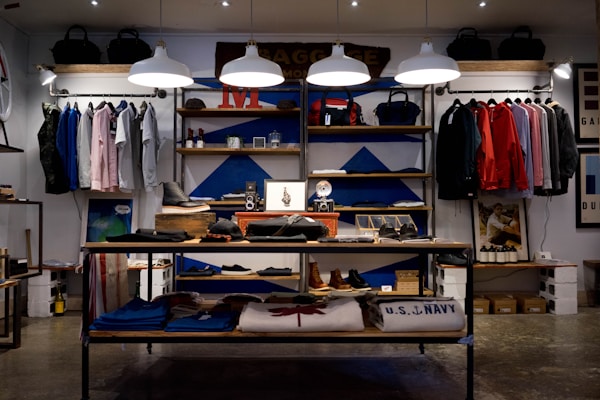
Opening | New store locations surge
Retailers report steady growth in new physical store openings across suburban markets; prime locations and foot traffic remain key success factors.

Retailers report steady growth in new physical store openings across suburban markets; prime locations and foot traffic remain key success factors.
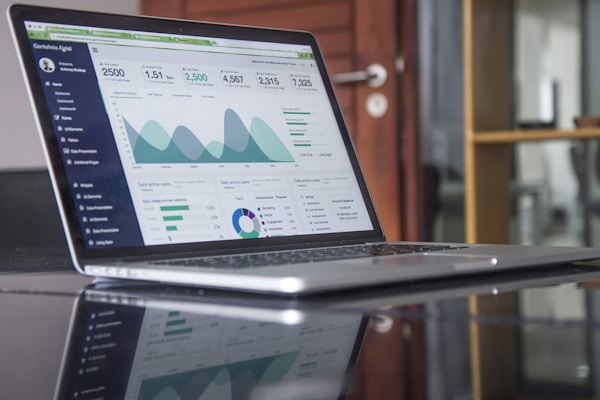
Online store builders launch new features and templates, highlighting ease of setup, payment integration, and mobile optimization for small businesses.

Interior design firms report increased demand for modern store layouts with flexible displays and customer experience zones.

Lightweight mobile apps optimized for store management see broader adoption, cutting checkout time and improving customer engagement.
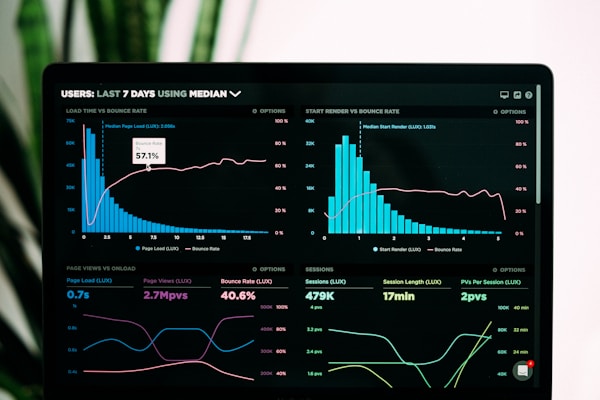
Retailers add automated expense tracking and revenue forecasting, pairing sales dashboards with real-time inventory alerts.

More stores implement secure payment systems with encrypted transactions and fraud detection, focusing on customer data protection.

Stores expand inventory tracking with barcode scanning and automated reordering, emphasizing real-time stock levels and supplier integration.

Retail chains standardize operations across locations, negotiating unified POS systems and centralized reporting to reduce overhead.

New local regulations streamline business registration processes, prompting stores to update permits and revisit compliance requirements.
E-commerce sites optimize page load speeds and checkout flows, pairing analytics dashboards with conversion rate testing.

Retailers announce eco-friendly initiatives including energy-efficient lighting and packaging reduction, aiming to cut operational costs.
Entrepreneurs launch innovative store formats with unique customer experiences, focusing on niche markets and community engagement.

Local governments revise small business tax structures, weighing alignment with emerging digital commerce frameworks.

Utilities expand energy-saving incentives for retailers, encouraging LED lighting upgrades and smart HVAC systems during peak hours.
Retailers report strong interest in high-traffic locations aided by demographic analysis and foot traffic data, while lease rates stabilize.
Stores accelerate adoption of tap-to-pay terminals, adding mobile wallet support and faster transaction processing.
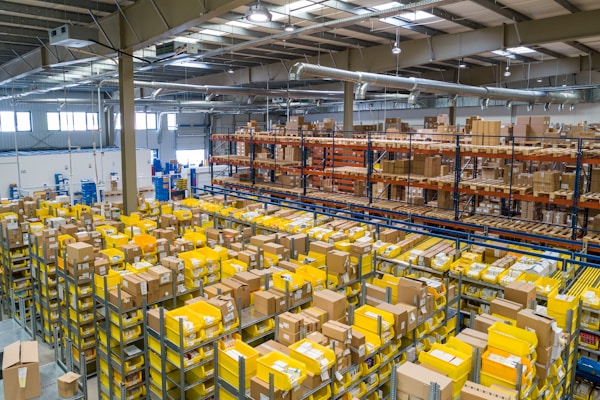
Retailers pilot direct supplier partnerships and automated restocking routes, publishing delivery schedules to improve inventory management.
Stores refine pricing models with real-time demand signals, smoothing price adjustments for seasonal products.
Commercial landlords offer flexible lease terms to attract new tenants, while shopping center occupancy rates improve.
Stores expand product categories, positioning value items against premium brands amid changing customer preferences.
Retailers streamline return processes with better policies and automated systems to reduce handling costs and improve satisfaction.
Stores partner with local delivery services to offer same-day shipping, improving customer convenience and competitive positioning.
E-commerce platforms expand features with better templates and integrations, focusing on mobile-first design and payment options.
Online stores consolidate sales data and customer insights into unified dashboards, trimming reporting costs via automation.
Stores blend social selling with online storefronts, targeting consistent branding across Instagram, Facebook, and TikTok.
E-commerce platforms add drag-and-drop editors and theme libraries to simplify store design without coding.
Online stores adopt cloud-based inventory management with automated sync, lowering costs for multi-channel sellers.
Stores deploy unified payment APIs with multiple processor support and fraud detection to secure transactions.
Retailers optimize mobile shopping experiences with faster load times and streamlined checkout flows.
Online stores implement customer databases with automated segmentation and personalized marketing campaigns.
New workforce management systems target shift optimization and labor cost control, while vendors add mobile apps for staff.
Store teams adopt real-time inventory tracking and automated reordering to cut stockouts and reduce excess inventory.
Stores upgrade to modern POS systems with cloud sync and analytics, smoothing integration with accounting software.
Retailers implement unified reporting systems with real-time sales data and performance metrics across locations.
Stores formalize product information standards and update procedures, integrating alerts into inventory workflows.
Stores introduce campaign management with A/B testing and performance tracking, reducing manual setup time.
Retail analytics platforms gain adoption to unify customer data across in-store and online channels.
Online stores blend keyword and visual search, tuning recommendation engines to improve product findability.
Legal teams publish internal compliance checklists, requiring permit renewals and health inspection tracking for food service stores.
Stores expand keyless entry and security camera systems, pairing motion sensors with mobile alerts for after-hours monitoring.
Retail chains run disaster recovery exercises with backup inventory and alternative supplier arrangements.
Stores add data encryption to customer databases, balancing marketing needs with regulatory demands on personal information.
Stores expand continuous monitoring of suppliers, tracking delivery performance and quality issues in real time.
Retailers build training modules to improve customer service skills, aligning development with store performance goals.
IT teams codify troubleshooting guides with step-by-step solutions, reducing downtime for POS and network issues.
Store managers pilot automated compliance monitoring, replacing manual checks with digital evidence collection.